Major and Minor overhauling of Rotating equipment’s in oil and gas petrochemical , refinery and power plants and water desalination plants
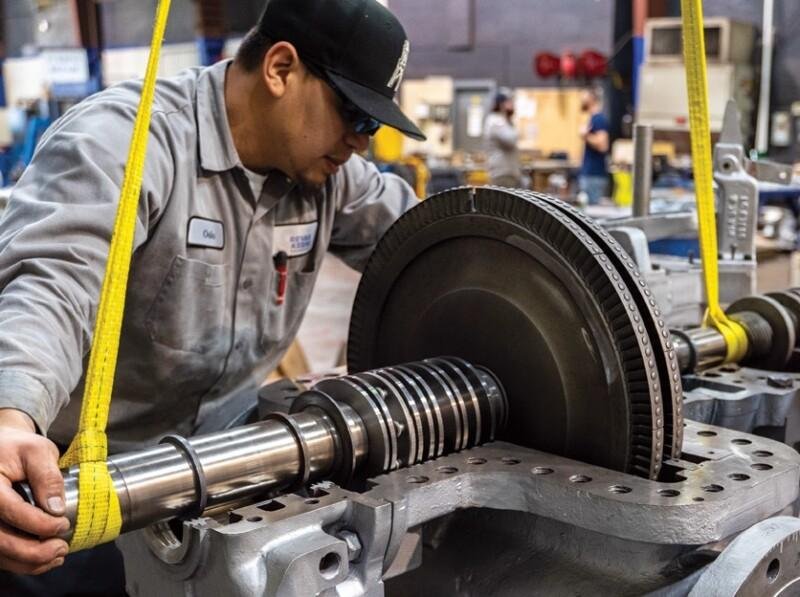
Major and Minor Overhauling of Rotating Equipment in the Oil & Gas Industry: A Complete Practical Guide
Introduction
Mechanical rotating equipment plays a vital role in the operation of Oil & Gas, Petrochemical, Refinery, LNG and other process industries. These machines are responsible for transferring fluids, compressing gases, generating power, circulating process media and supporting essential plant operations.
Unlike static equipment, rotating equipment contains moving components such as shafts, impellers, rotors, bearings, mechanical seals, couplings and gears. These components operate under demanding conditions involving high speeds, pressure, temperature, vibration and continuous mechanical loads.
To maintain equipment reliability, operational efficiency and plant safety, periodic inspection, maintenance and overhauling are essential.
Major and minor overhauling of mechanical rotating equipment are important maintenance activities carried out during planned shutdowns, turnarounds, routine maintenance and equipment reliability programmes.
These activities may involve equipment dismantling, component inspection, dimensional measurement, NDT, replacement of defective parts, rotor inspection, bearing and seal replacement, precision alignment, balancing and performance testing.
Understanding rotating equipment overhauling is valuable for Mechanical Engineers, QA/QC Inspectors, Maintenance Engineers, Reliability Engineers and Shutdown & Turnaround Professionals.
Whether you are an engineering student, diploma holder, fresh graduate or working professional, this guide introduces the major equipment types, overhauling procedures, QA/QC responsibilities, inspection techniques, applicable industry standards and career opportunities.
1. What Is Mechanical Rotating Equipment?
Mechanical rotating equipment refers to machinery that uses rotating components to perform mechanical work, transfer fluids, compress gases or generate power.
These machines are widely used in refineries, petrochemical plants, gas processing facilities, LNG terminals, offshore platforms and power generation plants.
Common Types of Rotating Equipment
- Centrifugal Pumps
- Positive Displacement Pumps
- Reciprocating Pumps
- Screw Pumps
- Centrifugal Compressors
- Reciprocating Compressors
- Screw Compressors
- Gas Turbines
- Steam Turbines
- Blowers
- Industrial Fans
- Gearboxes and Speed Reducers
- Agitators and Mixers
- Vacuum Pumps
- Diesel Engines and Drivers
Each machine has its own construction, operating principle, maintenance requirements and inspection procedures.
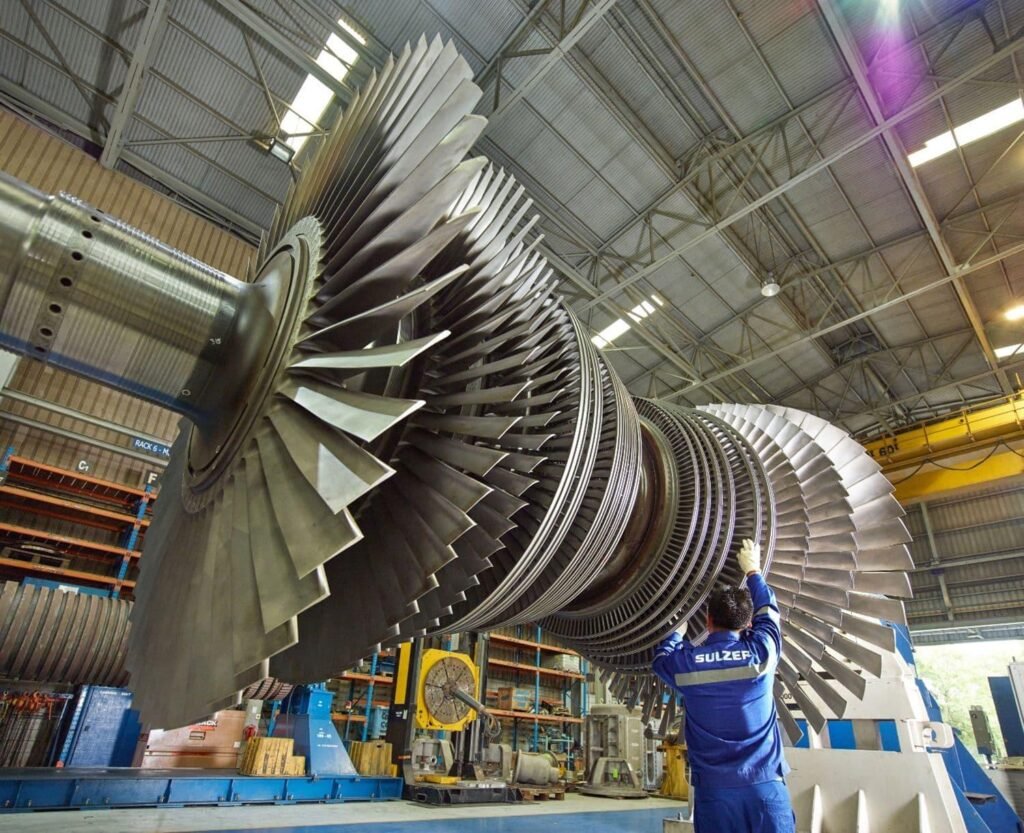
2. What Is Overhauling of Rotating Equipment?
Overhauling is a planned maintenance activity involving the dismantling, inspection, cleaning, repair, replacement, reassembly and testing of machinery to restore or maintain its required operating condition.
The scope depends on equipment type, operating hours, service conditions, maintenance history, condition-monitoring results, OEM recommendations and inspection findings.
Overhauling is generally classified into two categories:
- Major Overhauling: A comprehensive maintenance activity that may involve extensive dismantling, detailed inspection of internal components, dimensional checks, rotor examination, component replacement, repairs, precision assembly and performance testing.
- Minor Overhauling: A limited maintenance activity involving selected inspections, servicing, adjustment, cleaning and replacement of accessible or identified defective components without complete machinery dismantling.
The distinction is not universal. Equipment manufacturers and plant owners may define major and minor overhauling differently according to their maintenance strategies and equipment-specific requirements.
3. Major Overhauling of Rotating Equipment
Major overhauling is generally carried out at planned intervals or when equipment condition indicates the need for extensive maintenance.
It may involve complete or substantial dismantling of machinery to inspect critical internal components and restore equipment performance.
Major Overhauling Activities
1. Pre-Overhauling Planning
Before commencing the work, the maintenance, engineering and QA/QC teams review:
- Equipment data sheets.
- OEM manuals and maintenance recommendations.
- General Arrangement (GA) drawings.
- Cross-sectional and assembly drawings.
- Equipment foundation and installation drawings.
- Piping and Instrumentation Diagrams (P&IDs), where relevant.
- Previous maintenance and overhaul reports.
- Vibration and condition-monitoring records.
- Equipment operating history.
- Approved method statements and ITPs.
- Required tools, lifting equipment and spare parts.
- Manpower and shutdown schedules.
The team also identifies critical components, inspection requirements, special tools and the required OEM or specialist support.
2. Equipment Isolation and Preparation
Before dismantling, the equipment must be safely prepared.
Typical activities include:
- Equipment shutdown.
- Electrical and mechanical isolation.
- Lockout/Tagout (LOTO).
- Isolation of suction and discharge lines.
- Depressurisation and draining.
- Disconnection of associated utilities.
- Removal or isolation of coupling guards.
- Verification of safe working conditions.
- Work permit approval.
Additional requirements may apply to hazardous process fluids, hot surfaces, stored energy and electrical drivers.
3. Initial Inspection and Baseline Measurements
Before dismantling, the maintenance team records the equipment’s existing condition.
Typical checks include:
- Existing vibration readings.
- Bearing temperatures.
- Lubrication condition.
- Operating pressures and temperatures.
- Shaft axial movement, where applicable.
- Coupling condition.
- Existing alignment readings.
- Leakage and abnormal noise.
- Equipment condition and operating observations.
These measurements help identify potential problems and provide a comparison with the condition after overhauling.
4. Equipment Dismantling
Depending on machine type, dismantling may include:
- Removal of coupling guards.
- Disconnection of coupling elements.
- Removal of bearing housings.
- Removal of mechanical seals.
- Removal of pump casing covers.
- Removal of impellers.
- Removal of compressor casings.
- Removal of rotor assemblies.
- Removal of turbine casings and internal components.
- Removal of gears and associated assemblies.
All dismantled parts should be identified, marked, handled and stored properly to prevent damage and maintain traceability.
5. Cleaning of Components
After dismantling, components are cleaned to remove oil, grease, carbon deposits, scale, dirt and other contaminants.
Typical cleaning methods include:
- Manual cleaning.
- Approved chemical cleaning.
- Solvent cleaning.
- Degreasing.
- Mechanical cleaning.
- Controlled high-pressure cleaning, where suitable.
Cleaning methods must be compatible with the material, surface finish, seals and component design.
6. Detailed Inspection of Rotating Components
All critical components are inspected for wear, damage, deformation and other defects.
Typical inspection areas include:
- Shafts and rotor assemblies.
- Impellers and blades.
- Bearings and bearing housings.
- Mechanical seals.
- Couplings.
- Gear teeth.
- Casing and internal surfaces.
- Labyrinth seals and clearances.
- Wear rings.
- Thrust collars and sleeves.
- Diaphragms and stationary components.
- Lubrication and seal systems.
Inspection may include visual examination, dimensional measurements, NDT and specialised condition assessments.
7. Shaft and Rotor Inspection
The shaft and rotor assembly are among the most critical components of rotating machinery.
Inspection activities may include:
- Shaft surface visual examination.
- Shaft diameter measurements.
- Runout measurement.
- Straightness checks.
- Journal inspection.
- Keyway inspection.
- Thread inspection.
- Crack detection using suitable NDT methods.
- Rotor dimensional checks.
- Verification of critical clearances.
Runout and dimensional acceptance criteria must be based on OEM requirements and approved engineering specifications.
8. Bearing Inspection and Replacement
Bearings support rotating shafts and help maintain correct machinery operation.
Common bearing types include:
- Journal bearings.
- Thrust bearings.
- Rolling element bearings.
- Angular contact bearings.
- Spherical roller bearings.
- Tapered roller bearings.
Inspection activities may include:
- Bearing surface examination.
- Inspection for scoring and wear.
- Measurement of clearances.
- Verification of bearing fit.
- Inspection of bearing housings.
- Checking lubrication passages.
- Replacement of damaged or worn bearings.
- Verification of bearing installation.
9. Mechanical Seal Inspection
Mechanical seals prevent process fluid leakage along rotating shafts.
Common types include:
- Single mechanical seals.
- Double mechanical seals.
- Tandem mechanical seals.
- Cartridge mechanical seals.
- Dry gas seals used in applicable compressor systems.
Inspection activities may include:
- Seal face examination.
- Inspection for cracks and scratches.
- Inspection of secondary seals and O-rings.
- Verification of spring condition.
- Checking seal assembly dimensions.
- Inspection of seal housing.
- Verification of seal flush and support systems.
- Replacement of damaged seal components.
Mechanical seals must be assembled according to OEM instructions and the approved seal arrangement.
10. Impeller and Casing Inspection
For centrifugal pumps and compressors, the impeller and casing are important components.
Inspection activities include:
- Impeller visual examination.
- Inspection for erosion and corrosion.
- Inspection for cracks and damage.
- Impeller dimensional checks.
- Verification of wear-ring clearances.
- Inspection of casing surfaces.
- Inspection of internal passages.
- NDT where required.
- Repair or replacement based on engineering approval.
11. NDT and Specialised Inspection
Non-Destructive Testing may be performed to identify surface or internal defects.
Common methods include:
- Visual Testing (VT).
- Liquid Penetrant Testing (PT).
- Magnetic Particle Testing (MT).
- Ultrasonic Testing (UT).
- Radiographic Testing (RT), where applicable.
- Eddy Current Testing (ECT), where suitable.
- Other specialised examination methods as specified.
The NDT method and acceptance criteria depend on the component material, geometry, defect type, applicable standard and approved inspection procedure.
12. Repair and Replacement Activities
Based on inspection findings and engineering approval, repair activities may include:
- Replacement of bearings.
- Replacement of mechanical seals.
- Replacement of wear rings.
- Shaft repair or replacement.
- Impeller repair or replacement.
- Coupling replacement.
- Gear repair or replacement.
- Restoration of approved component surfaces.
- Replacement of damaged fasteners.
- Repair of casing components.
Critical repairs must be evaluated and performed using approved procedures and appropriate technical controls.
13. Reassembly
After completing the inspection and approved repair activities, equipment components are reassembled.
Typical activities include:
- Installation of bearings.
- Installation of mechanical seals.
- Installation of shafts and rotors.
- Installation of impellers.
- Installation of couplings.
- Verification of clearances.
- Verification of axial and radial movement.
- Checking fastener tightening requirements.
- Inspection of lubrication passages.
- Verification of component orientation.
- Reassembly according to OEM instructions.
Correct cleanliness, component identification, dimensional verification and assembly practices are essential.
14. Precision Alignment and Balancing
Precision alignment and rotor balancing are critical activities in rotating equipment maintenance.
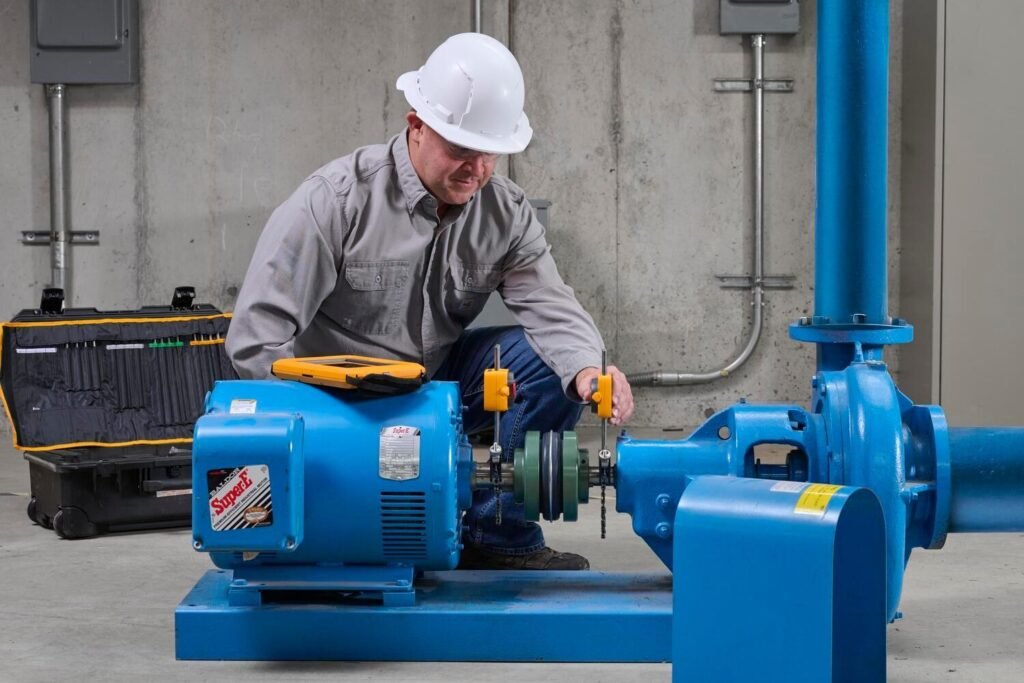
Alignment activities may include:
- Soft-foot checks.
- Preliminary alignment.
- Laser shaft alignment.
- Dial indicator alignment.
- Verification of coupling alignment.
- Thermal growth considerations.
- Final alignment verification.
Balancing activities may include:
- Rotor balancing.
- Impeller balancing.
- Coupling balancing.
- Verification of balance quality requirements.
- Recording balance results.
The required balance grade, alignment tolerances and measurement methods must follow OEM requirements and applicable specifications.
15. Testing and Commissioning
After reassembly, the equipment undergoes applicable inspection, testing and commissioning activities.
These may include:
- Mechanical run checks.
- Lubrication system verification.
- Seal system verification.
- Shaft rotation checks.
- Coupling and alignment verification.
- Vibration monitoring.
- Bearing temperature monitoring.
- Leak checks.
- Functional checks.
- Performance testing, where required.
- Final inspection and handover.
The specific test requirements vary according to equipment type and the extent of overhaul. A complete factory performance test is not automatically required after every field overhaul.
4. Minor Overhauling of Rotating Equipment
Minor overhauling involves limited maintenance activities intended to maintain machinery reliability and address identified operating issues without extensive dismantling.
It may be performed during routine maintenance windows, planned shutdowns or equipment servicing periods.
Typical Minor Overhauling Activities
- External visual inspection.
- Inspection of equipment foundation and baseplate.
- Checking coupling condition.
- Inspection of coupling guards.
- Lubrication oil level verification.
- Oil sampling and condition checks.
- Replacement of lubricating oil and filters.
- Inspection of accessible bearings.
- Replacement of selected bearings, where required.
- Inspection of mechanical seal leakage.
- Replacement of selected seal components, where approved.
- Checking vibration levels.
- Monitoring bearing temperatures.
- Checking abnormal noise.
- Verification of coupling alignment.
- Inspection of accessible fasteners.
- Inspection of lubrication and seal support systems.
- Minor leakage rectification under approved procedures.
- Functional checks after maintenance.
Minor overhauling does not always require equipment to remain connected or operational. Isolation, disconnection or partial dismantling may still be necessary depending on the maintenance scope.
5. Major vs Minor Overhauling: Key Differences
| Description | Major Overhauling | Minor Overhauling |
|---|---|---|
| Scope | Comprehensive maintenance | Limited maintenance |
| Dismantling | Extensive or complete, as required | Usually limited |
| Internal inspection | Detailed examination | Accessible or selected components |
| Rotor inspection | Detailed dimensional and condition checks, where applicable | Usually limited checks |
| Bearing work | Detailed inspection and replacement as required | Lubrication, inspection or selected replacement |
| Mechanical seals | Detailed inspection and overhaul or replacement | Selected seal maintenance |
| NDT | As specified by inspection scope | Limited, based on findings |
| Alignment | Precision alignment and verification | Alignment checks or correction as required |
| Balancing | Required where rotor condition or repair scope demands it | Generally not required unless indicated |
| Testing | Comprehensive applicable testing | Functional and maintenance checks |
| Duration | Generally longer | Generally shorter |
The actual work scope depends on equipment design, OEM recommendations, operating history and inspection findings.
6. Equipment-Wise Major and Minor Overhauling Activities
Understanding equipment-specific maintenance is important for Mechanical Maintenance Engineers, QA/QC Inspectors, Rotating Equipment Engineers and Shutdown & Turnaround Professionals.
A. Centrifugal Pumps
Centrifugal pumps are used to transfer liquids throughout refineries, petrochemical plants and process facilities.
Major Overhauling:
- Pump dismantling.
- Removal of impeller and shaft assembly.
- Bearing inspection and replacement.
- Mechanical seal inspection and replacement.
- Shaft runout measurement.
- Impeller inspection.
- Wear-ring clearance measurement.
- Casing inspection.
- NDT where required.
- Reassembly and precision alignment.
- Functional and performance checks as required.
Minor Overhauling:
- Lubrication inspection.
- Oil and filter replacement.
- Mechanical seal leakage checks.
- Bearing condition monitoring.
- Coupling inspection.
- Alignment verification.
- Inspection of foundation and fasteners.
- Vibration and temperature monitoring.
B. Centrifugal Compressors
Centrifugal compressors are used to compress gases in gas processing plants, refineries, LNG facilities and petrochemical plants.
Major Overhauling:
- Compressor casing opening.
- Rotor removal.
- Impeller and shaft inspection.
- Bearing inspection.
- Thrust bearing inspection.
- Labyrinth seal inspection.
- Dry Gas Seal (DGS) inspection, where applicable.
- Rotor dimensional checks.
- Runout measurement.
- NDT where specified.
- Inspection of diaphragms and stationary components.
- Clearance verification.
- Rotor balancing, where required.
- Reassembly and applicable testing.
Minor Overhauling:
- External inspection.
- Lubrication system checks.
- Seal gas system checks.
- Vibration monitoring.
- Bearing temperature monitoring.
- Inspection of accessible connections.
- Filter replacement.
- Verification of instrumentation and protection systems.
C. Reciprocating Compressors
Reciprocating compressors are used in gas compression services where positive displacement compression is required.
Major Overhauling:
- Cylinder opening.
- Piston removal.
- Piston ring inspection.
- Rider band inspection.
- Piston rod inspection.
- Crosshead and connecting rod inspection.
- Crankshaft inspection.
- Bearing inspection.
- Valve assembly inspection.
- Clearance checks.
- Replacement of worn components.
- Reassembly and functional checks.
Minor Overhauling:
- Lubrication inspection.
- Valve condition checks.
- Filter replacement.
- External leakage inspection.
- Inspection of accessible fasteners.
- Vibration monitoring.
- Temperature and pressure checks.
- Inspection of packing and accessible sealing arrangements.
D. Gas Turbines
Gas turbines are used as mechanical drivers for compressors and as power-generation equipment.
Major Overhauling:
- Turbine casing opening.
- Rotor inspection.
- Compressor blade inspection.
- Turbine blade inspection.
- Combustion system inspection.
- Bearing inspection.
- Seal inspection.
- Inspection of nozzles and stationary vanes.
- Hot-section component inspection.
- NDT as required.
- Dimensional and clearance checks.
- Component replacement based on OEM criteria.
- Reassembly and prescribed testing.
Minor Overhauling:
- External inspection.
- Filter replacement.
- Lubrication system checks.
- Inspection of accessible connections.
- Borescope inspection, where specified.
- Vibration monitoring.
- Inspection of fuel and auxiliary systems.
- Functional checks.
E. Steam Turbines
Steam turbines convert steam energy into mechanical power and are used to drive pumps, compressors and generators.
Major Overhauling:
- Turbine casing opening.
- Rotor removal.
- Blade inspection.
- Shaft and journal inspection.
- Bearing inspection.
- Diaphragm inspection.
- Seal inspection.
- Valve and nozzle inspection.
- Axial and radial clearance checks.
- NDT as required.
- Reassembly and alignment.
- Required mechanical and functional testing.
Minor Overhauling:
- External inspection.
- Lubrication system checks.
- Bearing temperature monitoring.
- Vibration checks.
- Inspection of accessible steam connections.
- Valve and auxiliary-system checks.
- Minor maintenance based on inspection findings.
F. Gearboxes and Speed Reducers
Gearboxes transfer power and modify speed and torque between the driver and driven equipment.
Major Overhauling:
- Gearbox dismantling.
- Inspection of gear teeth.
- Shaft and pinion inspection.
- Bearing inspection.
- Measurement of backlash.
- Verification of contact patterns.
- Inspection of lubrication system.
- Inspection of housing and internal surfaces.
- NDT where required.
- Replacement of damaged components.
- Reassembly and alignment.
- Functional checks.
Minor Overhauling:
- Oil replacement.
- Oil filter inspection.
- External leakage checks.
- Vibration monitoring.
- Bearing temperature monitoring.
- Inspection of accessible connections.
- Inspection of breather and lubrication accessories.
G. Blowers and Industrial Fans
Blowers and fans are used for air circulation, combustion air supply, ventilation and process applications.
Major Overhauling:
- Removal of impeller or rotor assembly.
- Bearing inspection.
- Shaft inspection.
- Impeller blade inspection.
- Housing inspection.
- Coupling inspection.
- Rotor runout measurement.
- Balancing where required.
- Reassembly and alignment.
- Functional testing.
Minor Overhauling:
- Lubrication checks.
- Bearing condition monitoring.
- Inspection of belts and couplings, where applicable.
- Impeller cleaning.
- Vibration monitoring.
- Fastener inspection.
- Alignment checks.
- External inspection.
7. QA/QC Responsibilities During Rotating Equipment Overhauling
Quality Assurance and Quality Control are important for ensuring that rotating equipment maintenance and overhauling activities comply with OEM requirements, approved procedures, project specifications and applicable standards.
Key Responsibilities of QA/QC Engineers and Inspectors
1. Document Review
- Review equipment data sheets.
- Review OEM manuals.
- Review assembly and sectional drawings.
- Review approved method statements.
- Review Inspection and Test Plans (ITPs).
- Review maintenance history.
- Verify applicable codes and standards.
- Confirm approved inspection procedures.
2. Material and Spare Parts Inspection
- Verify spare part identification.
- Review material certificates where applicable.
- Verify component dimensions.
- Check bearing identification and specifications.
- Verify mechanical seal model and arrangement.
- Inspect coupling components.
- Verify material traceability where required.
- Confirm storage and preservation requirements.
3. Inspection During Dismantling
- Witness dismantling activities as required.
- Verify component identification and tagging.
- Check handling and storage.
- Record existing equipment condition.
- Inspect accessible internal components.
- Verify that inspection findings are documented.
4. Dimensional Inspection
- Shaft diameter measurement.
- Shaft runout measurement.
- Bearing clearance checks.
- Impeller dimensional inspection.
- Wear-ring clearance measurement.
- Axial and radial clearance verification.
- Coupling dimensional inspection.
- Gear backlash measurement.
- Verification of OEM tolerances.
5. NDT Coordination and Verification
- Verify approved NDT procedures.
- Check NDT personnel qualifications.
- Confirm examination locations and extent.
- Review NDT reports.
- Verify acceptance criteria.
- Ensure rejected indications are addressed through approved procedures.
6. Welding and Repair Inspection
Where welding or component repair is approved, QA/QC activities may include:
- Verification of WPS and PQR.
- Verification of welder qualifications.
- Material traceability.
- Fit-up inspection.
- Welding inspection.
- Preheat and PWHT verification, where required.
- NDT review.
- Final dimensional verification.
7. Assembly Inspection
- Verify cleanliness before assembly.
- Check bearing installation.
- Verify mechanical seal installation.
- Inspect coupling installation.
- Check clearances.
- Verify fastener tightening requirements.
- Check lubrication passages.
- Verify component orientation.
- Confirm assembly records.
8. Alignment and Balancing Verification
- Verify soft-foot checks.
- Review shaft alignment reports.
- Check laser alignment records.
- Verify coupling alignment.
- Review rotor balancing reports where required.
- Confirm that tolerances comply with OEM and project requirements.
9. Testing and Final Inspection
- Verify lubrication system readiness.
- Inspect seal support systems.
- Review functional test records.
- Verify vibration readings against applicable limits.
- Check bearing temperatures.
- Witness required mechanical or performance tests.
- Confirm closure of inspection punch points.
10. Documentation and Handover
- Maintain inspection checklists.
- Review dimensional reports.
- Verify NDT reports.
- Review alignment and balancing reports.
- Review test records.
- Maintain repair documentation.
- Compile quality records.
- Support final equipment handover.
8. Important Inspection Techniques Used in Rotating Equipment Overhauling
A QA/QC Engineer or Inspector should understand the purpose of common inspection and condition-monitoring techniques.
| Inspection Technique | Purpose |
|---|---|
| Visual Inspection | Identifies visible wear, damage, corrosion and defects |
| Dimensional Inspection | Verifies component dimensions and clearances |
| Shaft Runout Measurement | Checks shaft or rotor deviation during rotation |
| Dial Indicator Measurement | Measures runout, movement and alignment-related dimensions |
| Laser Alignment | Measures and corrects shaft alignment |
| Vibration Analysis | Identifies abnormal vibration patterns and machinery condition |
| Oil Analysis | Helps identify lubricant degradation and wear particles |
| PT | Detects surface-breaking defects in suitable non-porous materials |
| MT | Detects surface and near-surface discontinuities in ferromagnetic materials |
| UT | Examines material thickness and detects suitable internal discontinuities |
| Balancing | Reduces vibration caused by mass unbalance |
| Borescope Inspection | Allows visual examination of inaccessible internal areas |
These techniques are selected according to equipment type, component material, failure mechanism and inspection requirements.
9. Important Codes and Standards Used for Rotating Equipment
Rotating equipment maintenance, inspection, testing and installation may refer to various API, ISO, ASME and other industry standards.
Common references include:
| Code / Standard | General Application |
|---|---|
| API 610 | Centrifugal pumps for petroleum, petrochemical and natural gas industries |
| API 611 | General-purpose steam turbines |
| API 612 | Special-purpose steam turbines |
| API 613 | Special-purpose gear units |
| API 614 | Lubrication, shaft-sealing and control-oil systems and auxiliaries |
| API 617 | Axial and centrifugal compressors and expander-compressors |
| API 618 | Reciprocating compressors |
| API 619 | Rotary-type positive displacement compressors |
| API 670 | Machinery protection systems |
| API 671 | Special-purpose couplings |
| API 686 | Machinery installation and installation design |
| ISO 20816 Series | Measurement and evaluation of machine vibration |
| ISO 21940 Series | Mechanical vibration and rotor balancing |
| API 687 | Rotor repair guidance |
Important: The applicable standard depends on the machine, service, design basis and maintenance activity. Some API standards primarily address equipment design, procurement or installation rather than providing a complete field-overhaul procedure. Always confirm the applicable edition, OEM instructions, plant maintenance procedures and project specifications.
10. Important QA/QC Documents Used During Rotating Equipment Overhauling
A QA/QC Engineer or Inspector should be familiar with the following documents:
- Equipment Data Sheets.
- OEM Operation and Maintenance Manuals.
- General Arrangement Drawings.
- Assembly and Cross-Sectional Drawings.
- Equipment Maintenance History.
- Approved Method Statements.
- Inspection and Test Plans (ITPs).
- Quality Assurance Plans (QAPs).
- Spare Parts Lists.
- Material Test Certificates, where applicable.
- Dimensional Inspection Reports.
- Shaft Runout Reports.
- Bearing Inspection Reports.
- Mechanical Seal Inspection Reports.
- NDT Procedures and Reports.
- Welding Procedure Specifications (WPS).
- Procedure Qualification Records (PQR).
- Welder Qualification Records (WPQ/WQTR).
- Alignment Reports.
- Rotor Balancing Reports.
- Vibration Analysis Reports.
- Lubrication and Oil Analysis Reports.
- Mechanical Run Test Reports.
- Performance Test Reports, where required.
- Non-Conformance Reports (NCRs).
- Punch Lists and Final Handover Dossiers.
Documentation requirements vary according to the equipment, OEM and approved work scope.
11. Safety Requirements During Rotating Equipment Overhauling
Safety is essential during rotating equipment maintenance because machinery contains stored energy, heavy components, electrical connections, pressurised systems and hazardous process fluids.
Typical hazards include:
- Unexpected equipment start-up.
- Electrical energy.
- Residual pressure.
- Hot surfaces.
- Hazardous gases and chemicals.
- Heavy lifting and suspended loads.
- Pinch points and rotating components.
- Stored mechanical energy.
- Confined-space hazards.
- Work at height.
- Oil spills and fire hazards.
Important safety requirements include:
- Approved work permits.
- Equipment isolation and LOTO.
- Electrical isolation verification.
- Depressurisation and draining.
- Safe lifting and rigging arrangements.
- Certified lifting equipment.
- Proper PPE.
- Barricading and restricted access.
- Safe handling of heavy components.
- Good housekeeping.
- Fire prevention measures.
- Emergency response arrangements.
No machinery should be dismantled or returned to operation until the responsible teams have verified the required safety and mechanical conditions.
12. Career Opportunities in Rotating Equipment Maintenance and QA/QC
Rotating equipment maintenance and inspection create career opportunities across Oil & Gas, Petrochemical, Refinery, LNG, Offshore and EPC industries.
Mechanical Engineering Graduates
Potential roles include:
- Mechanical QA/QC Engineer.
- Rotating Equipment Inspector.
- Mechanical Maintenance Engineer.
- Rotating Equipment Engineer.
- Pump Maintenance Engineer.
- Compressor Maintenance Engineer.
- Turbine Maintenance Engineer.
- Shutdown and Turnaround Engineer.
- Mechanical Construction Engineer.
- Reliability Engineer.
Civil Engineering Graduates
Civil engineers can contribute to:
- Equipment foundation inspection.
- Concrete and grout inspection.
- Baseplate and foundation interface checks.
- Structural steel inspection.
- Equipment support and access platform inspection.
- Foundation repair and rehabilitation.
- Civil QA/QC activities in EPC projects.
Electrical Engineering Graduates
Electrical engineers can contribute to:
- Electric motor inspection and maintenance.
- Electrical isolation and LOTO coordination.
- Motor testing and electrical checks.
- Electrical QA/QC activities.
- Earthing and bonding verification.
- Instrumentation and machinery protection system interfaces.
- Shutdown and turnaround coordination.
Career note: Rotating equipment inspection and mechanical overhaul roles generally require relevant mechanical engineering knowledge and practical competence. Electrical graduates may pursue motor, electrical and related equipment QA/QC roles, while Civil graduates may pursue civil and structural QA/QC roles associated with machinery installations. Specific roles may require additional experience, training or recognised qualifications.
13. Why Should Fresh Engineers Learn Rotating Equipment QA/QC?
Engineering graduates often understand the theoretical principles of pumps, compressors, turbines and other machinery but may have limited exposure to actual industrial maintenance and inspection practices.
Industry-oriented training can help bridge this gap by introducing learners to equipment construction, component identification, maintenance procedures, inspection reports and site quality requirements.
Through structured QA/QC learning, students and professionals can develop knowledge of:
- Types of rotating equipment.
- Pump and compressor components.
- Mechanical seals and bearing systems.
- Rotor and shaft inspection.
- Dimensional inspection.
- Alignment and balancing fundamentals.
- NDT methods and reports.
- Material inspection and traceability.
- Welding inspection fundamentals.
- Inspection and Test Plans (ITPs).
- QA/QC documentation and reporting.
- OEM manuals and equipment drawings.
- Relevant codes and standards.
- Major and minor overhauling procedures.
- Shutdown and turnaround maintenance activities.
This knowledge can improve technical understanding and help learners prepare for suitable entry-level or experienced roles in industrial maintenance and QA/QC.
14. Learn Mechanical QA/QC with Petrotech Academy
Build Your Technical Knowledge. Develop Industry Skills. Prepare for Your Career.
Petrotech Academy provides industry-oriented technical training designed for engineering students, diploma holders, fresh graduates, job seekers and working professionals interested in Oil & Gas, Petrochemical, Refinery, LNG and EPC industries.
Our training approach focuses on connecting engineering fundamentals with practical industrial applications.
What You Can Learn Through Our QA/QC Training
- Mechanical QA/QC fundamentals.
- Rotating equipment inspection.
- Major and minor overhauling concepts.
- Centrifugal pump inspection.
- Compressor inspection fundamentals.
- Gas and steam turbine inspection fundamentals.
- Bearing and mechanical seal inspection.
- Shaft and rotor inspection.
- Coupling and alignment fundamentals.
- Balancing and vibration fundamentals.
- NDT methods and reports.
- Material receiving inspection.
- Welding inspection fundamentals.
- Inspection and Test Plans (ITPs).
- QA/QC documentation and reporting.
- Relevant industry codes and standards.
- Shutdown and turnaround quality activities.
- Site inspection practices and interview preparation.
Who Can Join?
- B.Tech and B.E. graduates.
- Diploma holders.
- Mechanical Engineering graduates.
- Civil Engineering graduates.
- Electrical Engineering graduates.
- Fresh engineering pass-outs.
- Job seekers aspiring to enter the Oil & Gas industry.
- Working professionals seeking to strengthen their technical knowledge.
- Engineers interested in QA/QC, inspection and maintenance-related careers.
Our Learning Approach
Learn → Understand → Practice → Prepare → Progress
Petrotech Academy aims to help learners understand industrial requirements, develop practical technical knowledge and prepare for career opportunities in the EPC and process industries.
Job assistance and candidate referrals may be facilitated through recruitment partner networks, subject to available vacancies, candidate eligibility, employer requirements and recruitment partner selection. Employment or placement is not guaranteed.
15. Frequently Asked Questions (FAQs)
Q1. What is the difference between major and minor overhauling of rotating equipment?
Major overhauling generally involves extensive dismantling, detailed inspection of internal components, dimensional checks, repairs and reassembly. Minor overhauling involves limited inspection, servicing, lubrication, adjustment and replacement of selected components.
Q2. What are the common types of rotating equipment used in Oil & Gas?
Common types include centrifugal pumps, reciprocating pumps, centrifugal compressors, reciprocating compressors, screw compressors, gas turbines, steam turbines, blowers, fans and gearboxes.
Q3. What is the purpose of major overhauling?
Major overhauling is performed to assess equipment condition, identify defects, restore component integrity, replace worn or damaged parts and maintain equipment reliability.
Q4. What is the role of a QA/QC Engineer during rotating equipment overhauling?
A QA/QC Engineer verifies that dismantling, inspection, dimensional measurement, NDT, repairs, assembly, alignment, balancing and applicable testing are performed according to approved procedures, OEM requirements and project specifications.
Q5. Why is shaft alignment important?
Correct shaft alignment helps minimise unwanted vibration, bearing loads, coupling stress and premature equipment failure.
Q6. What is rotor balancing?
Rotor balancing is a process of correcting mass distribution in a rotating assembly to reduce vibration caused by unbalance.
Q7. What is the difference between a mechanical seal and a bearing?
A mechanical seal controls leakage along a rotating shaft, while a bearing supports the shaft and controls its movement during operation.
Q8. Can fresh Mechanical Engineering graduates enter rotating equipment QA/QC?
Yes. Fresh graduates can develop foundational knowledge through structured training and practical exposure, then pursue suitable entry-level opportunities. Practical experience and relevant qualifications help build professional competence.
Q9. Can Civil and Electrical Engineering graduates join Petrotech Academy QA/QC training?
Yes. Civil and Electrical graduates can learn QA/QC fundamentals and pursue discipline-appropriate opportunities in EPC and industrial projects. Rotating equipment mechanical inspection roles generally require relevant mechanical competence.
Q10. Which standards are important for rotating equipment?
Common references include API 610, API 611, API 612, API 613, API 614, API 617, API 618, API 619, API 670, API 671, API 686, ISO 20816 and ISO 21940. Applicability depends on equipment type and work scope.
Q11. Is rotating equipment overhauling performed during shutdowns?
Yes. Major overhauling is frequently scheduled during planned plant shutdowns and turnarounds. Minor maintenance may be performed during routine maintenance periods or shutdowns depending on equipment condition and operational requirements.
Conclusion
Major and minor overhauling of mechanical rotating equipment is an essential part of maintaining the reliability, efficiency and safe operation of Oil & Gas and Petrochemical facilities.
From centrifugal pumps and compressors to gas turbines, steam turbines, blowers and gearboxes, every machine requires appropriate maintenance, inspection, repair and quality control.
For aspiring engineers, understanding rotating equipment overhauling provides valuable insight into actual industrial maintenance and QA/QC practices. Knowledge of bearings, mechanical seals, shafts, rotors, alignment, balancing, NDT, dimensional inspection and OEM requirements can help prepare candidates for opportunities in the process industries.
Start building your industrial knowledge with PetroTech Academy.
Petrotech Academy
EMPOWERING PEOPLE | ENHANCING SKILLS | BUILDING FUTURES
Oil & Gas | Petrochemical | Refinery | LNG | EPC | Projects
Learn. Practice. Excel.
Website: https://www.petrotechacademy.com/
Email: info@petrotechacademy.com
Enquire about our industry-oriented QA/QC training programmes and take the next step towards developing your technical career.